


arrow_left_alt Go Back

About

For The Negative Edge, I developed a wide range of modular systems, with a strong focus on RPG systems, including stats management, inventory, and equipment handling, as well as a fully customizable dismemberment system and a responsive weapon system. I also worked extensively on the UI and overall project architecture, ensuring scalability and reusability across systems. Throughout the project, I expanded my personal development framework, refining existing modules and integrating new features to support complex gameplay mechanics.

Info

  • badgeGameplay Programmer
  • groups9
  • manufacturingUnreal Engine 5.5
  • scheduleIn Development
  • link
RPG Systems – Stats, Inventory, Equipment
I designed and developed a fully modular RPG system supporting complex mechanics such as stat-based progression, equipment management, inventory handling, and procedural item generation. The system was built as a reusable Unreal Engine plugin, with full support for both Blueprint and C++ workflows.

Key features include:
  • Flexible stat system with core and special stats, dynamic modifiers, and stat operations.
  • Robust inventory system with stackable items, equipment slots, and rarity/stat-based item logic.
  • Procedural item and gear generation, allowing the creation of randomized equipment with stats and rarity tiers.
  • Seamless integration with UI, including item comparison, stat visualization, and equipment feedback.
  • Designed for extensibility and performance, with clean architecture and subsystem-based logic to support complex RPG mechanics.

Weapon System – Firearms, Melee, Throwable Weapons
I developed a fully modular Weapon System designed to support a wide range of weapon types, including firearms, melee weapons, and throwables. The system was built as a reusable plugin for Unreal Engine, optimized for both Blueprint and C++ workflows.

Key features include:
  • A flexible firearm framework with shooting logic, multiple fire modes, recoil, spread, cooldown, and support for both hitscan and projectile behaviors.
  • A melee combat system featuring combo chains, buffered inputs, defense actions, and customizable attack animation montages with hit detection via notifies.
  • A throwable system with modular handling of cooldowns, throw logic, and projectile spawning for grenades and similar weapons.
  • A dynamic crosshair component adaptable to different weapon types and responsive to gameplay states.
  • Support for custom handler logic, animation management, and extendable behaviors for complete control over weapon functionality.
Dismemberment System – Modular Limb Detachment & Blood FX
I designed and implemented a modular Dismemberment System for Unreal Engine, enabling real-time limb detachment, blood effects, and decals with full support for Blueprint and C++ workflows.

Key features include:
  • Runtime skeletal mesh dismemberment with support for individual limb detachment.
  • Integrated blood decals and Niagara particle effects for visual feedback.
  • Customizable data-driven setup using Data Assets for skeletal configuration and blood types.
  • Support for detached limb management, pooling, and performance optimization.
  • Built for extensibility, allowing easy overrides for advanced behaviors and integration into complex characters or combat systems.
arrow_left_alt Go Back

About

For this project, I developed several core gameplay systems, including a modular Checkpoint System, a fully featured Inventory System, a Quest System with dynamic task tracking, and a robust Save System. I also implemented an Input Glyph System to dynamically adapt inputs between keyboard and controllers, while contributing to overall game structure, design choices, accessibility/quality-of-life features, and extensively to the game's UI. This project also laid the foundation for my personal development framework, allowing me to refine reusable modules and establish scalable patterns for future projects.

Info

  • badgeGameplay Programmer
  • groups10
  • manufacturingUnreal Engine 5.3
  • schedule6 Months
  • link
Checkpoint System – Save Points & Progression
I designed and implemented a modular Checkpoint System for Unreal Engine, enabling dynamic progress tracking and player respawns. The system is fully reusable, supporting both Blueprint and C++ workflows.

Key features include:
  • Dynamic checkpoint registration and retrieval using named keys and transforms.
  • Event-driven notifications for reaching checkpoints, allowing seamless integration with other gameplay systems.
  • Save and load support through structured checkpoint data.
  • Seamless integration with UI, including item comparison, stat visualization, and equipment feedback.
  • Designed for scalability and performance, with static maps and modular architecture to support multiple levels and gameplay scenarios.
Inventory System – Item Management & Save Integration
I developed a robust and extensible Inventory System, supporting a wide range of items and gameplay interactions. Fully modular and compatible with Blueprint and C++.

Key features include:
  • Flexible inventory slots with stackable items and capacity management.
  • Event-driven system for item addition, usage, consumption, removal, and inventory modifications.
  • Save/load integration with structured inventory data.
  • Registry-based item handling, allowing dynamic validation and expansion.
  • Designed for reusability and scalability, supporting complex gameplay mechanics and UI integration.
Quest System – Dynamic Task Tracking & Progression
I implemented a modular Quest System to manage objectives, tasks, and quest progression, fully compatible with Blueprint and C++ workflows.

Key features include:
  • Active, inactive, and completed quest tracking with task-level achievement.
  • Event delegates for quest completion, task achievement, and quest tracking.
  • Save/load support for persistent quest states.
  • Methods for filtering, tracking, and manipulating quests dynamically during gameplay.
  • Built with extensibility in mind, allowing integration with other systems such as inventory or checkpoints.
Input Glyph System – Dynamic Input Display
I implemented a dynamic input display system that adapts to player input devices in real-time.

Key features include:
  • Automatic switching between keyboard and controller input icons.
  • Event-driven updates for input prompts and gameplay hints.
  • Designed to enhance accessibility and quality-of-life UX.
arrow_left_alt Go Back

About

As the sole programmer, I developed the game's core systems, including AI, 3C (Character, Camera, Controls), UI, and inventory. I also created a custom input recording and playback system, allowing the game to capture every player action and replay it through a “ghost” character, a key mechanic driving the horror loop at the heart of Self.

Info

  • badgeGameplay Programmer
  • groups5
  • manufacturingUnreal Engine 5.4
  • schedule2 Weeks
  • link
Input Register System – Recording & Playback Framework
The Input Register System is a custom-built solution designed to record and replay any type of player input, enabling gameplay mechanics based on time loops and self-interaction.

Key features include:
  • Captures all relevant inputs (movement, actions, camera, interactions, etc.) over time, with precise frame-by-frame data synchronization.
  • Reproduces the recorded inputs through a "ghost" actor, which mimics the player’s exact actions, creating the illusion of interacting with a past version of yourself.
  • The ghost playback can be triggered via in-game events (e.g., entering a volume or completing an objective).
  • Once playback starts, the ghost actor is spawned, follows the recorded sequence, and is automatically despawned when the playback ends.
  • Designed to be modular and easy to extend for more complex behaviors or multiplayer sync in future iterations.
This system was central to the core mechanic of Self, turning the player’s past actions into a tangible threat, forcing them to outsmart their own recorded behavior in order to progress.
Profile Picture

Hi, I'm Denis Faraci

Game programmer focused on systems and gameplay architecture, writing efficient and clean code designed to be reusable and adaptable across different contexts. I specialize in creating generic solutions and frameworks that scale with project complexity.

Project 1

THE NEGATIVE EDGE

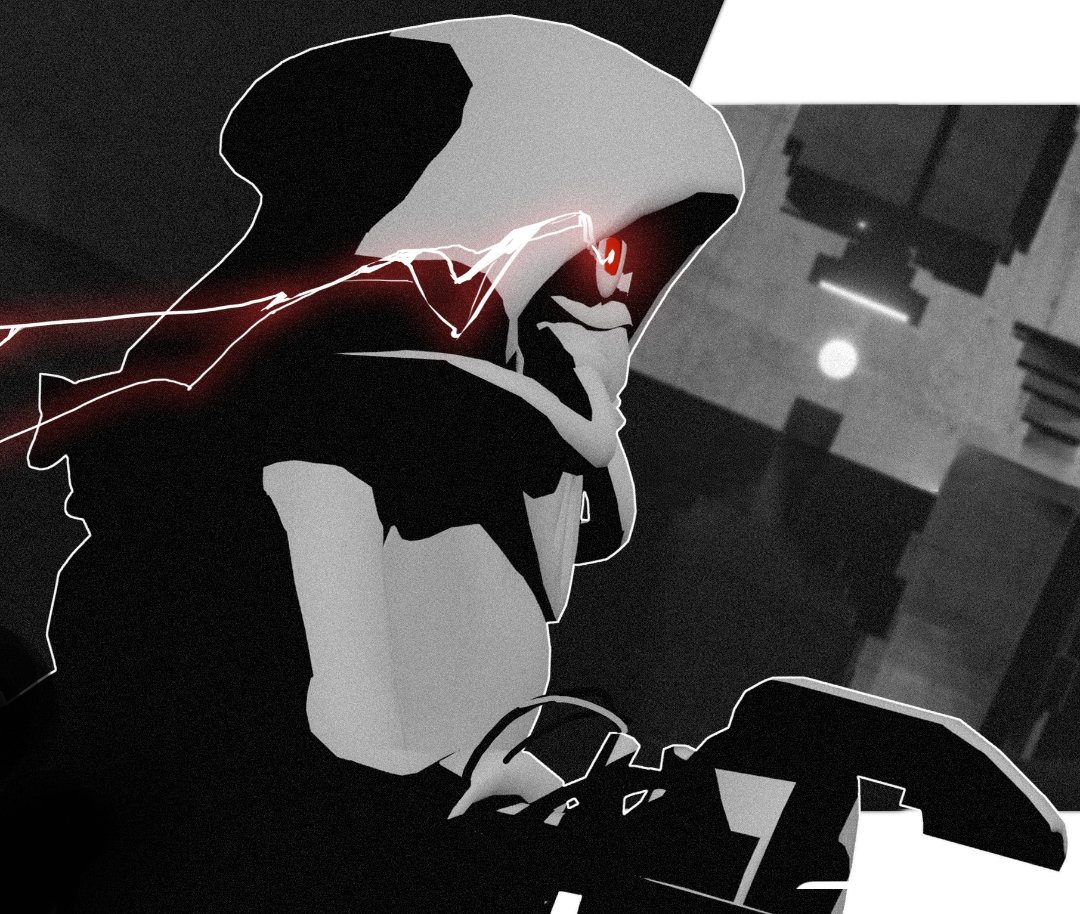
The Negative Edge is a fast-paced third-person arena shooter where you battle through dystopian arenas, combining brutal action with RPG progression and strategic inventory management.

Find out morearrow_right_alt
Project 2

Weabot

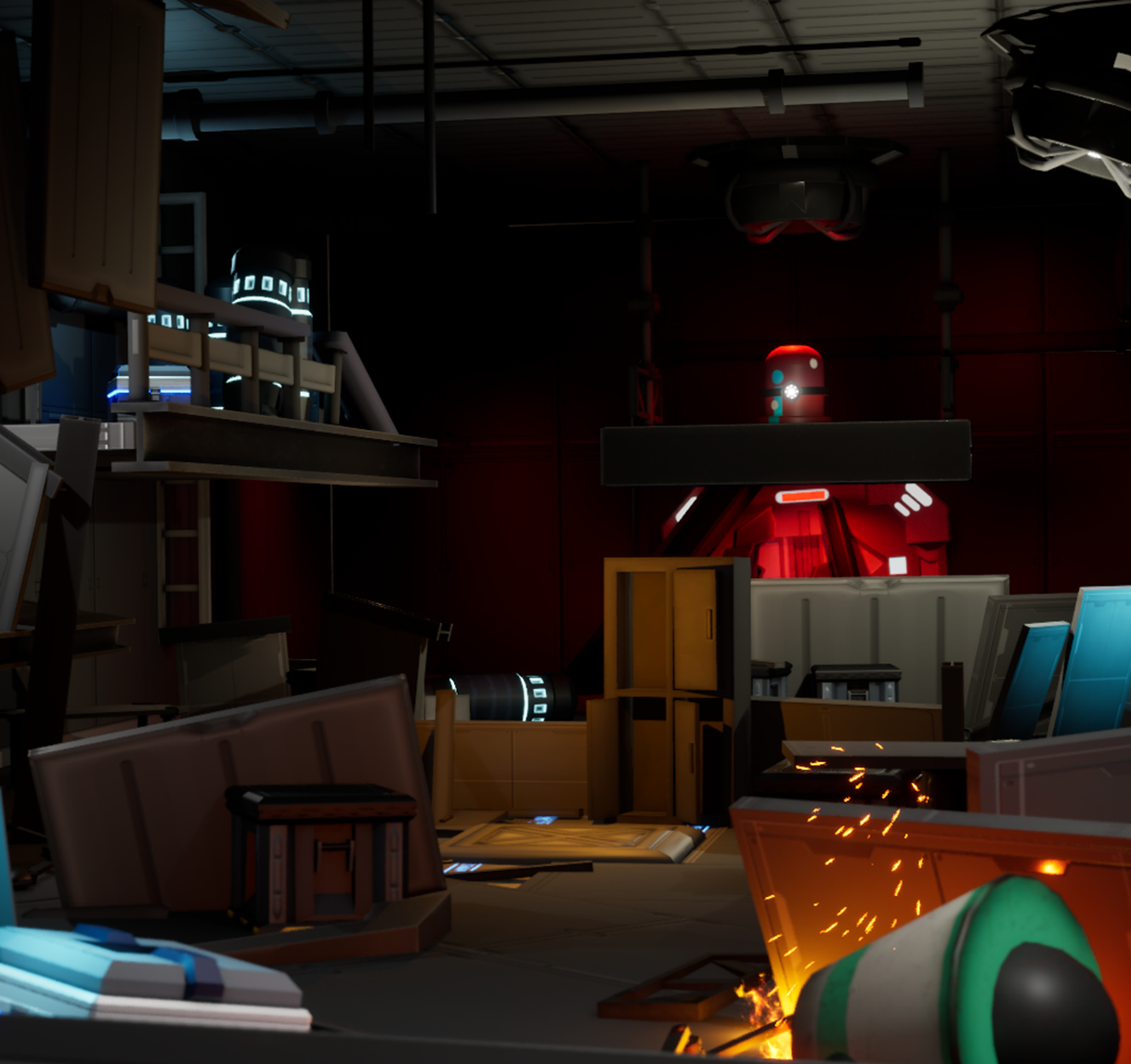
Weabot is a puzzle exploration game where you play as a drone that can hack and control robots with unique abilities to solve environmental challenges and uncover hidden secrets.

Find out morearrow_right_alt
Project 3

Self

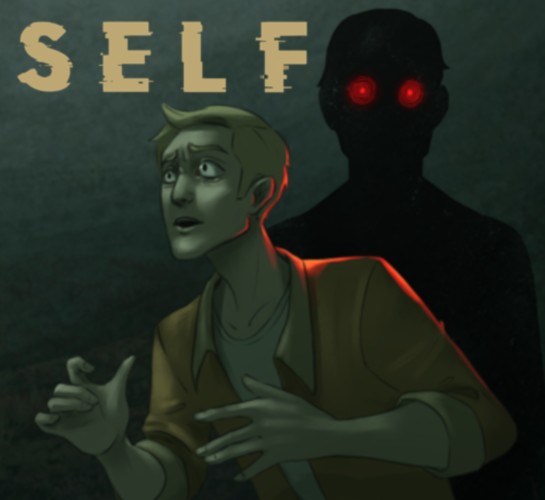
Self is a psychological horror game in which the protagonist is trapped in a mysterious, unsettling experience, relentlessly pursued by an unseen entity bent on thwarting his every move.

Find out morearrow_right_alt

Experienced Unity developer proficient in C#, with a strong grasp of gameplay systems, shaders, UI Toolkit, visual effects, and overall project optimization.

Unreal Engine developer with deep knowledge of the engine’s full pipeline, from programming and Blueprints to FX, AI, and optimization.

Passionate about Object-Oriented Programming, my core focus in software development. I design clean, modular, and extensible architectures with strong principles and reusable systems.

Proficient in modern C++, with a strong focus on performance, memory management, and clean, modular code.

Experienced in C# and the .NET ecosystem, with a focus on building robust and efficient console applications.

Confident with Git version control and experienced in using Git Flow for structured, team-oriented development. Skilled in branching strategies, conflict resolution, and repository management.